
Angling for Solutions
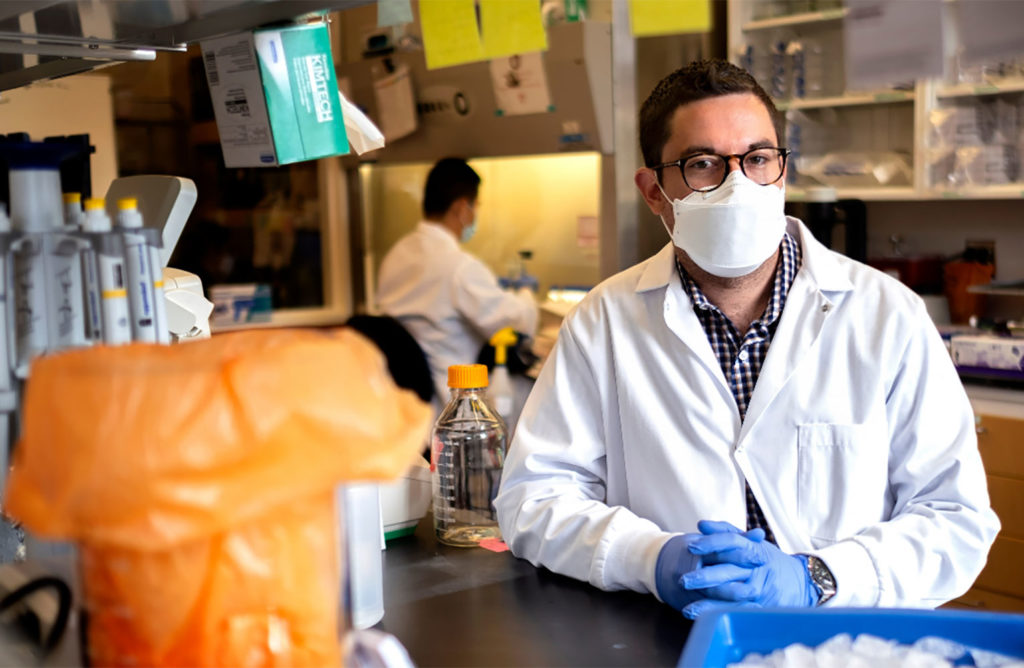
Rebecca Fry’s lab is one of the first to study the effects of prenatal exposure to toxic metals as it relates to the epigenome.
Rebecca Fry’s lab is one of the first to study the effects of prenatal exposure to toxic metals as it relates to the epigenome.
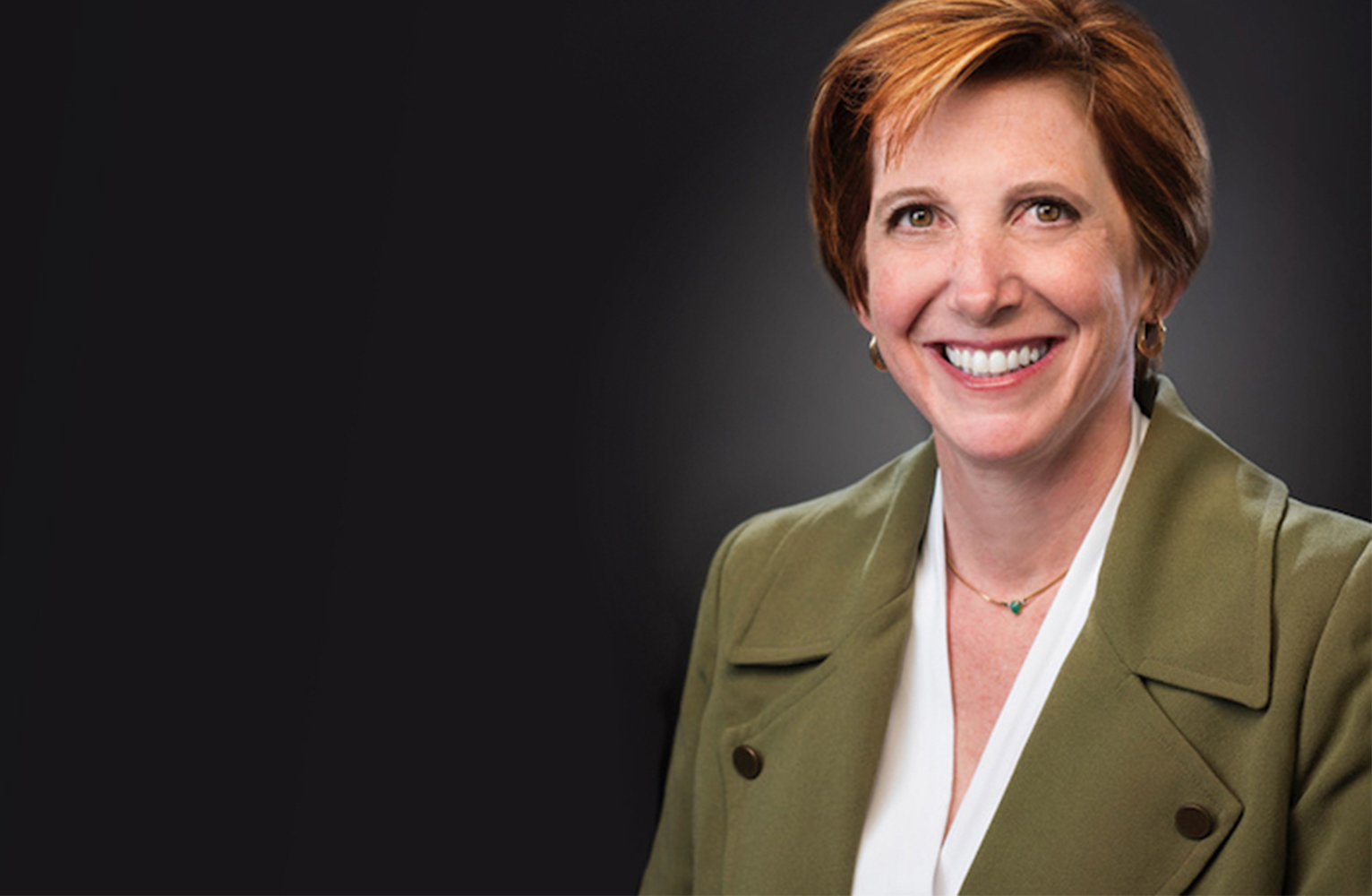
Dean Nancy Messonnier inducted into the National Academy of Medicine
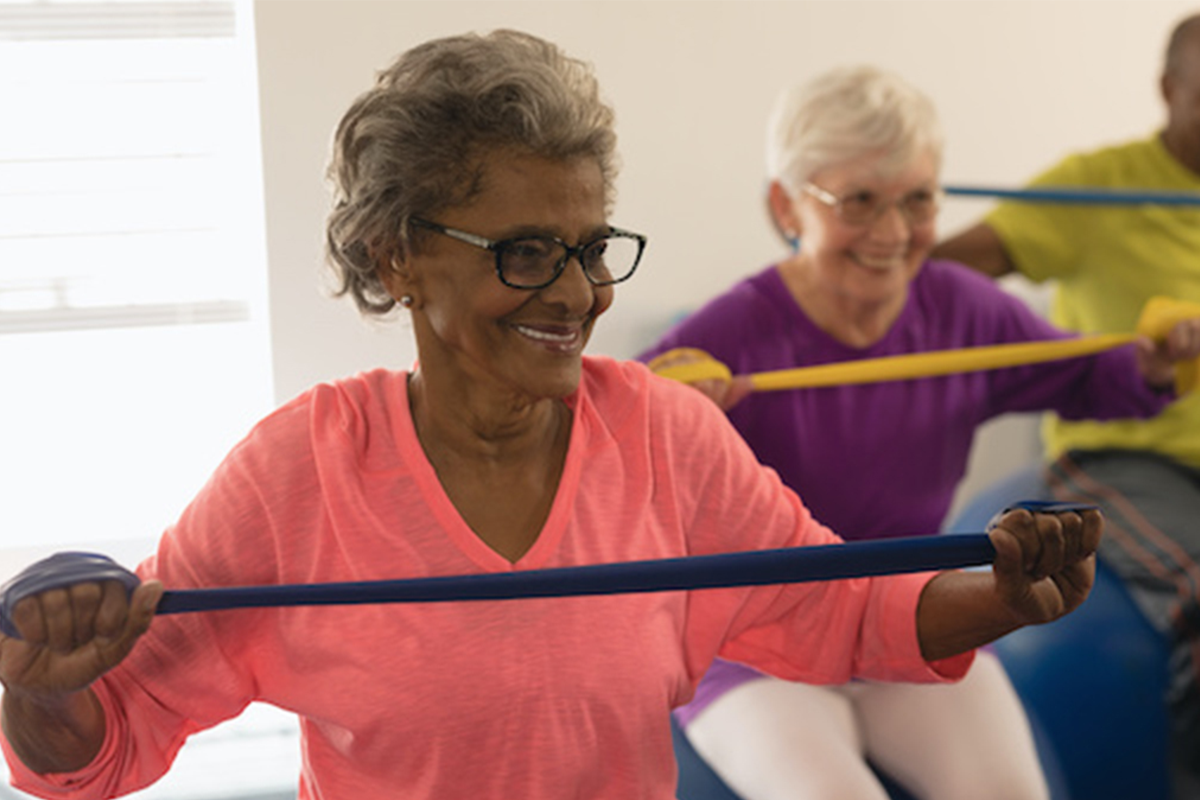
New project seeks to pilot greater physical activity for older adults

Carolina researchers find that Real Cost anti-vaping ads are effective at discouraging youth from vaping
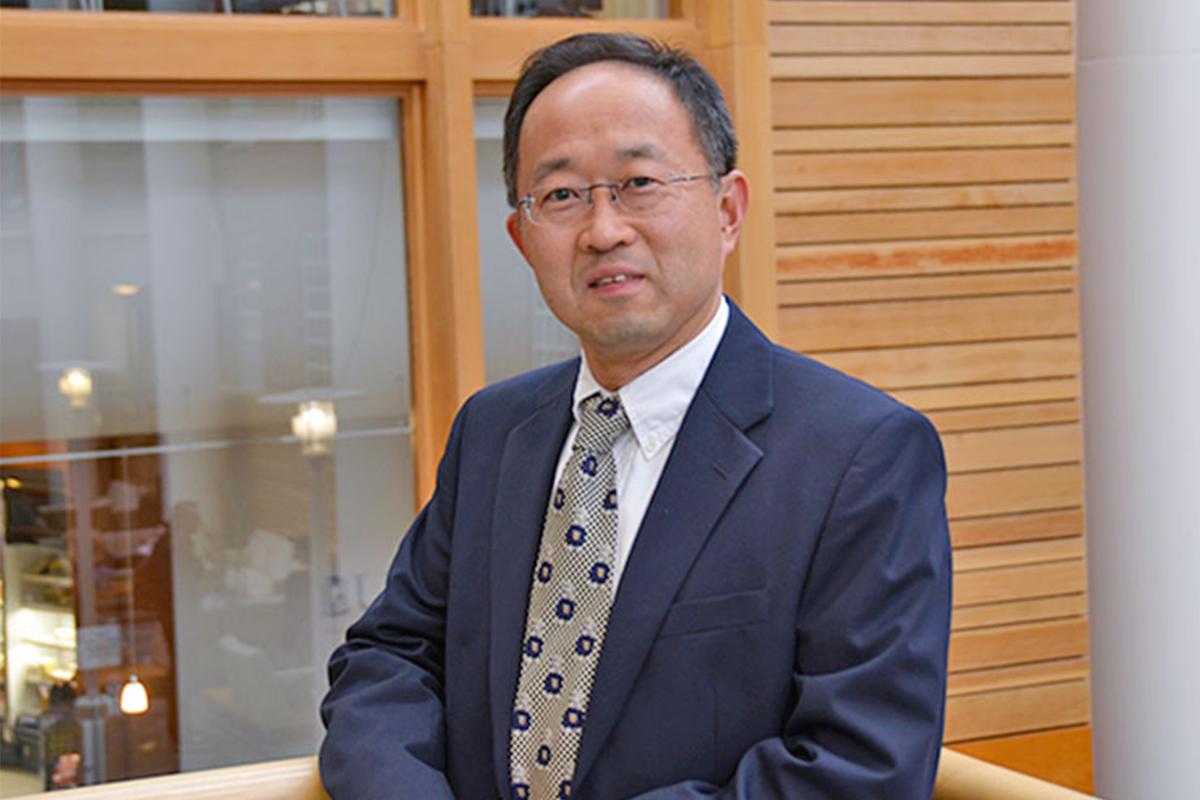
New research makes the case for children’s COVID boosters
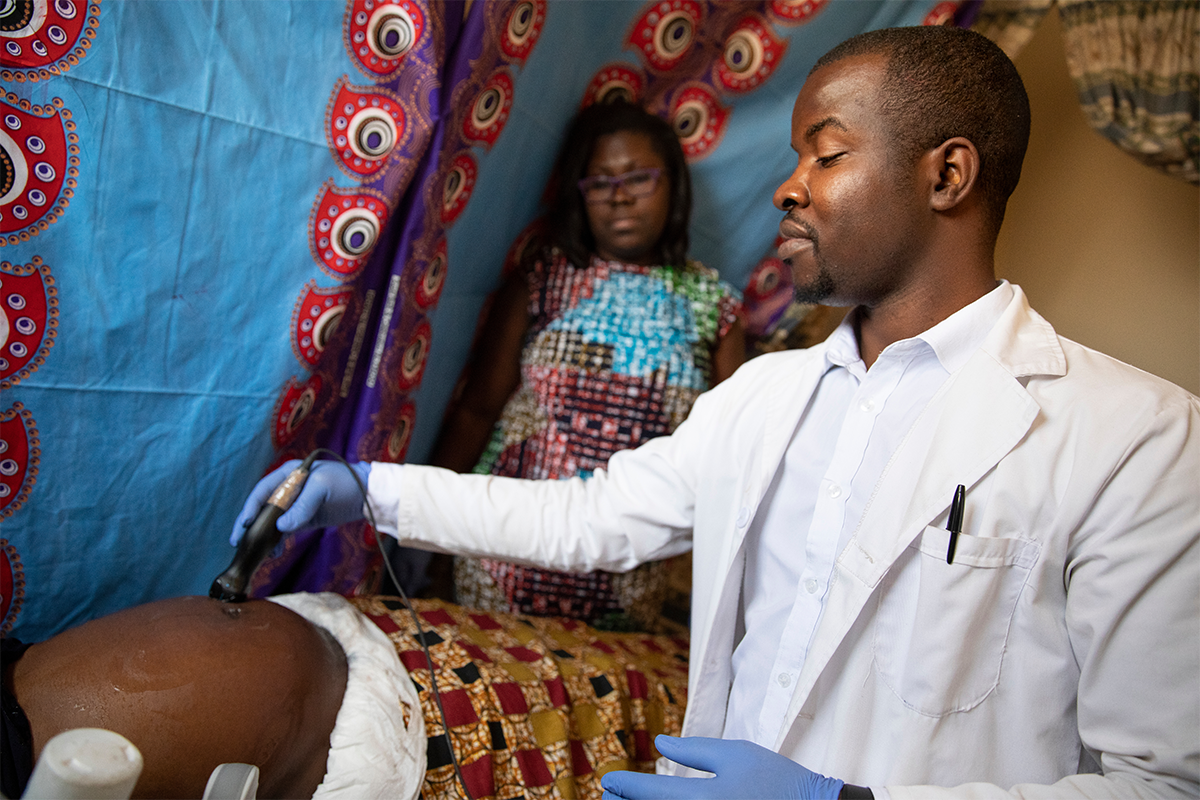
Using the power of artificial intelligence to improve maternal health worldwide

Carolina scientists partnered with Cornell faculty to produce a complex evaluation of California’s water resilience
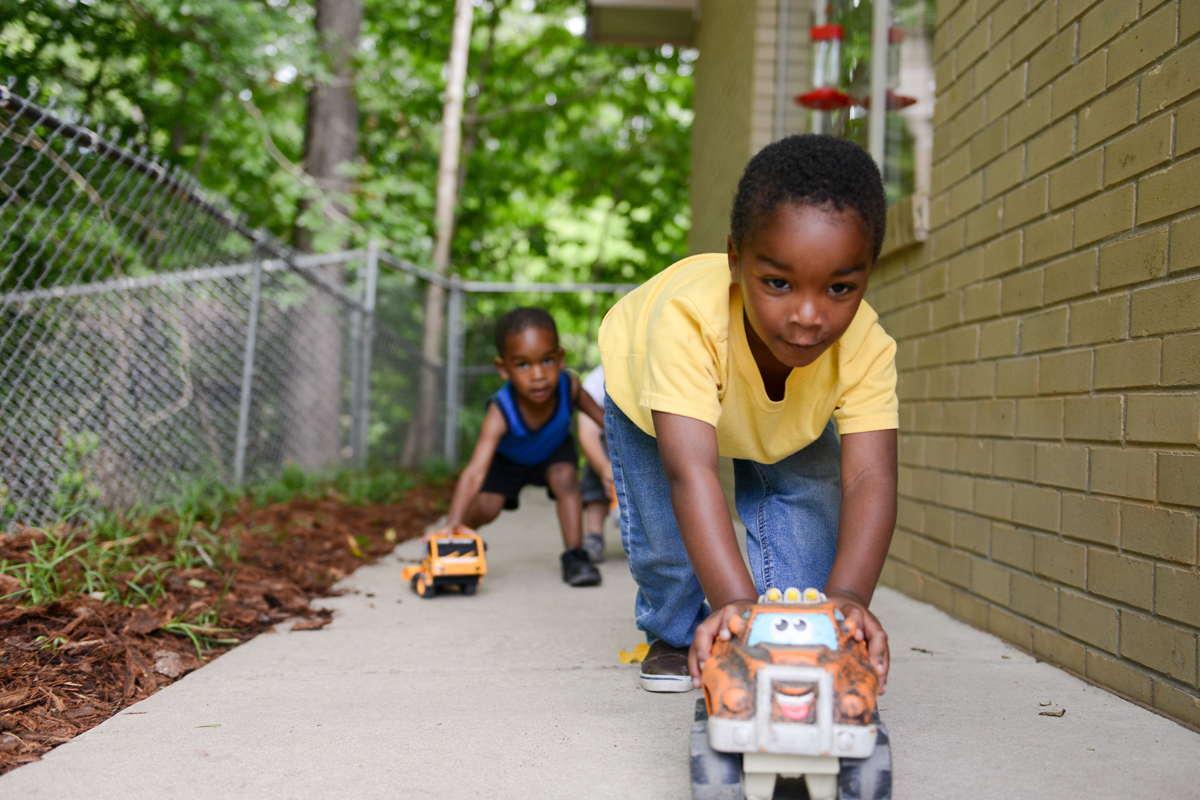
Supporting statewide child care health efforts
New study examines patient retention in opioid treatment programs
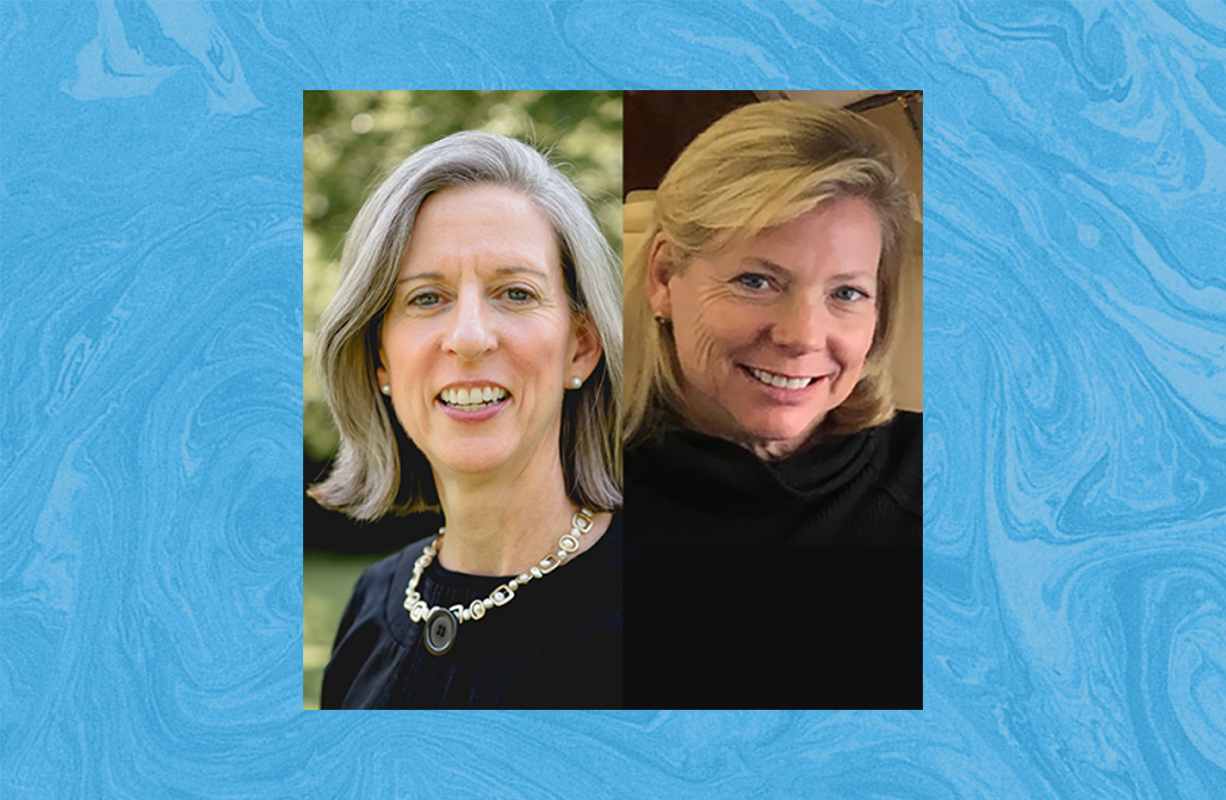
Gillings graduate students address food insecurity
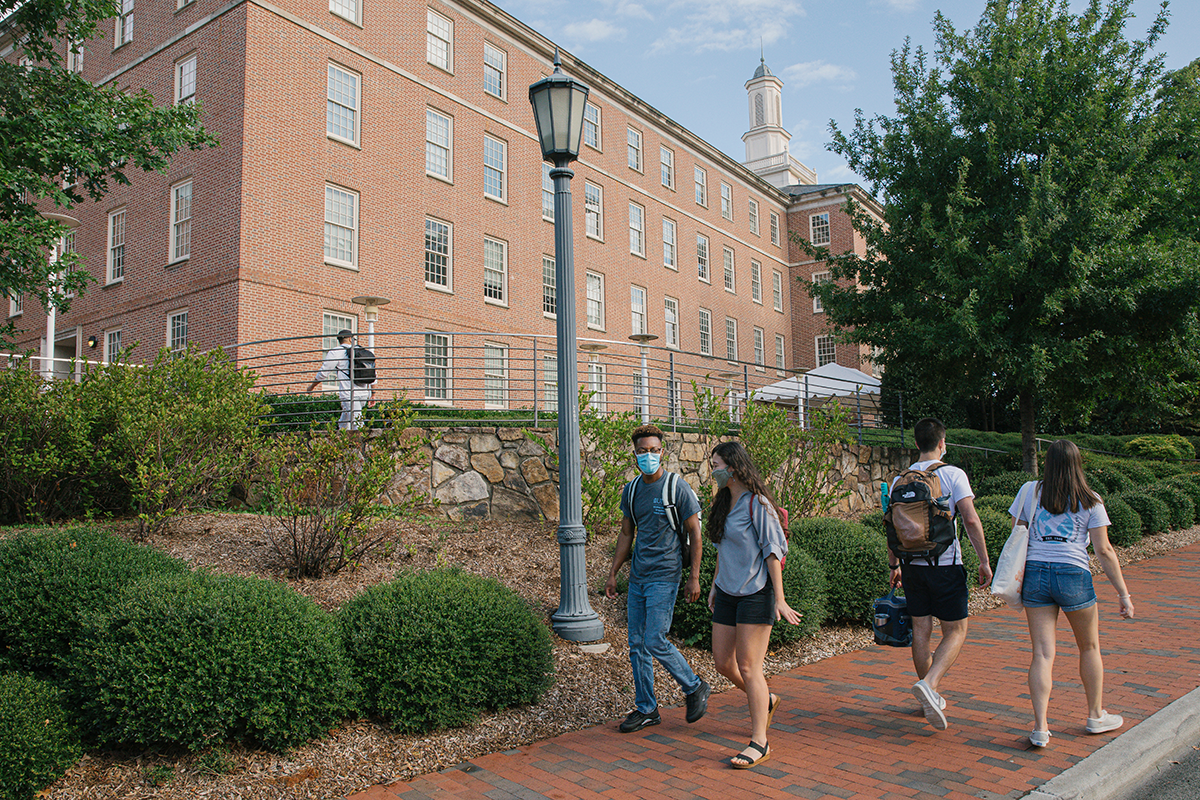
Research project will examine long-term cost of produce prescription programs
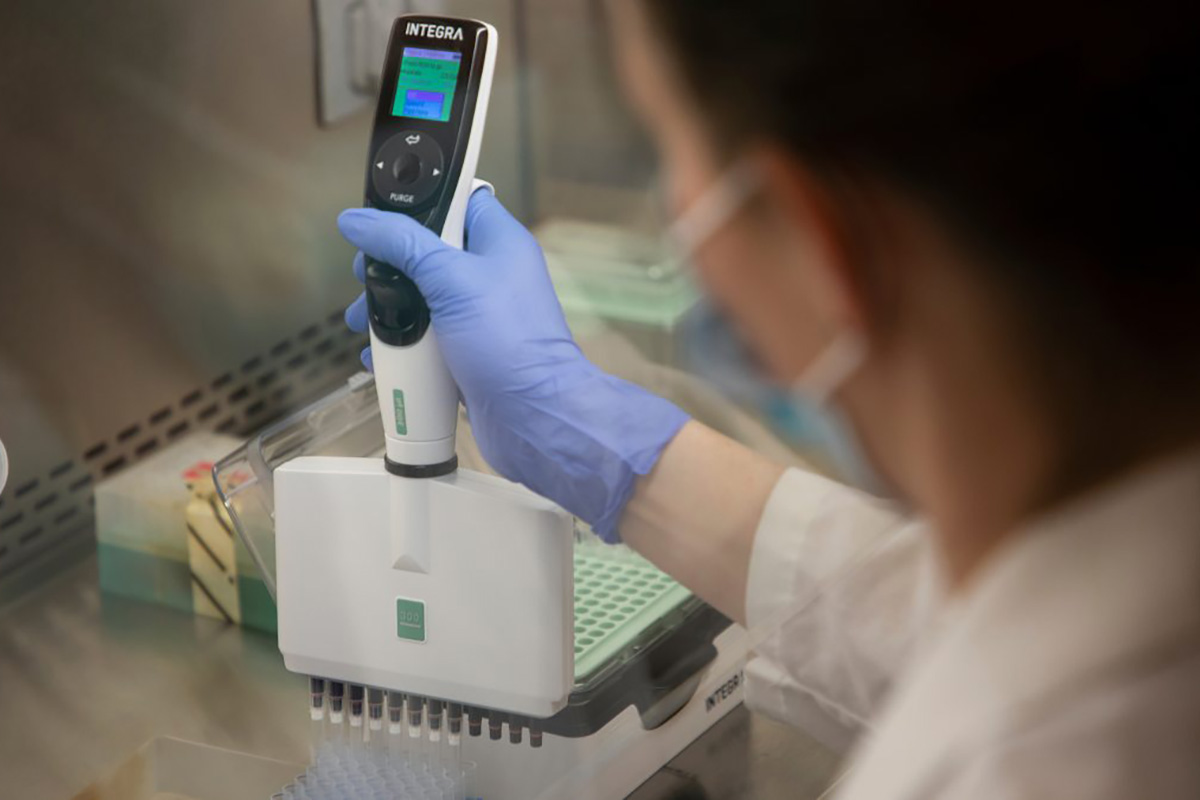
NIH funding will support the development of oral antivirals to fight future pandemics
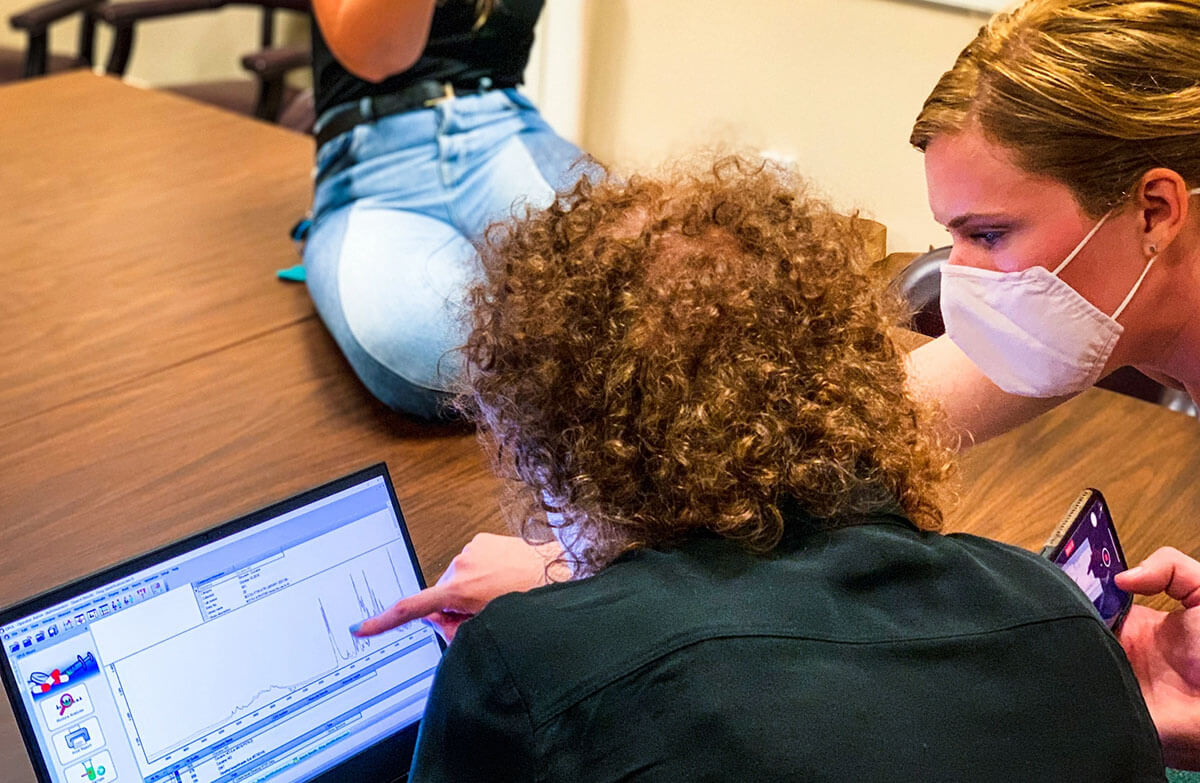
Led by the UNC Gillings School of Global Public Health, a team of researchers will develop safety and alert systems.

Royster Fellow and Ph.D. student Riley Vickers is bringing his distinct expertise to a multidisciplinary team working to improve the world’s access to clean water.
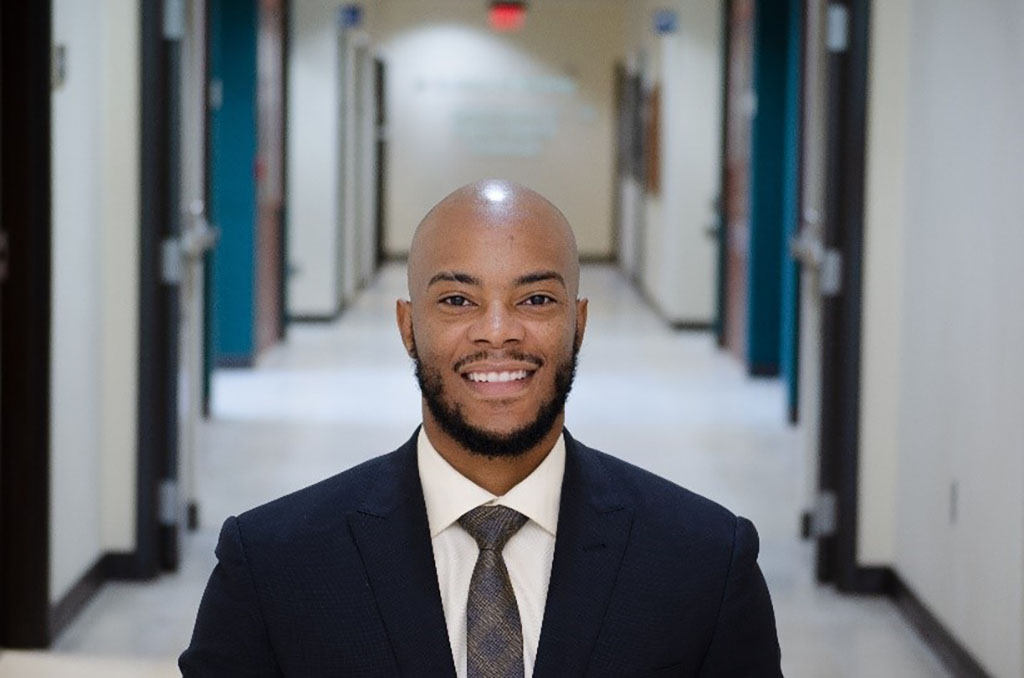
Lorenzo Hopper ’10, ’20 (PhD), professor at UNC Charlotte, credits the Carolina Covenant for the career path he's on today.
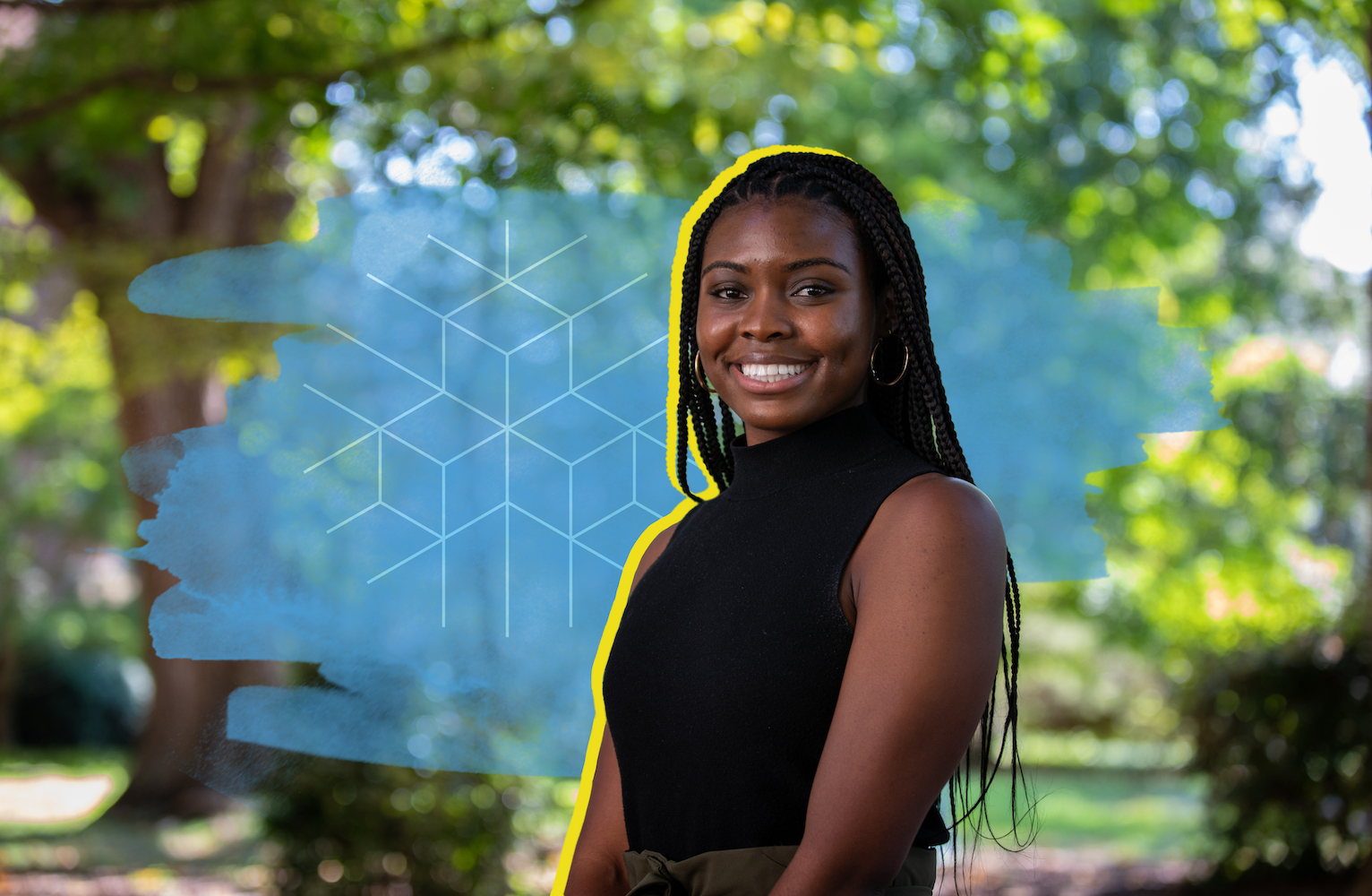
Former Chancellor’s Science Scholar Jeliyah Clark ’18 studies links between the environment and birth outcomes.
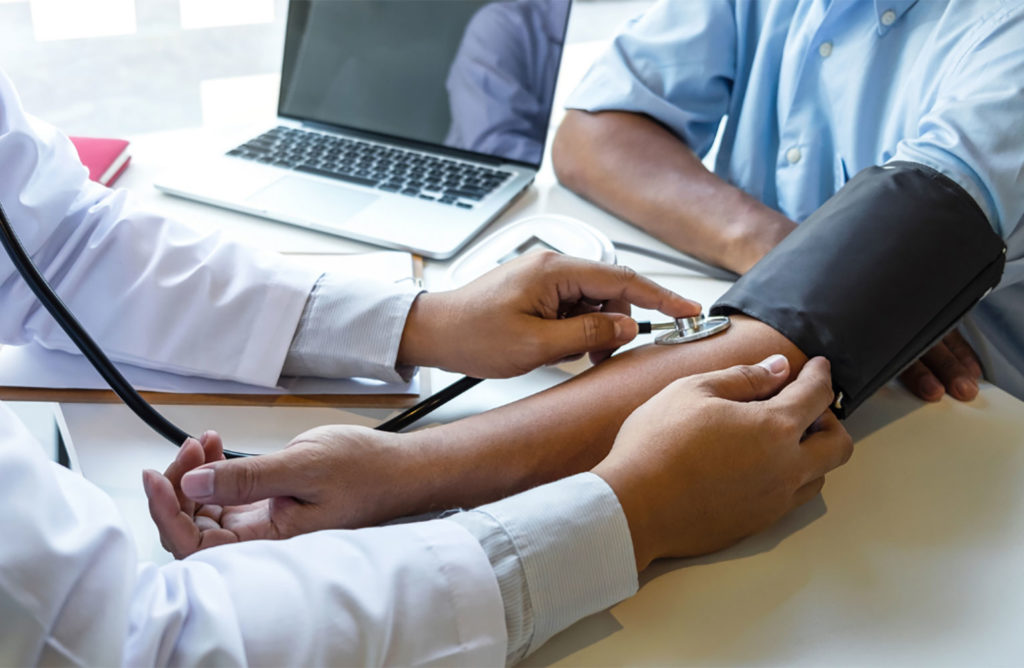
New study to help patients avoid a second stroke
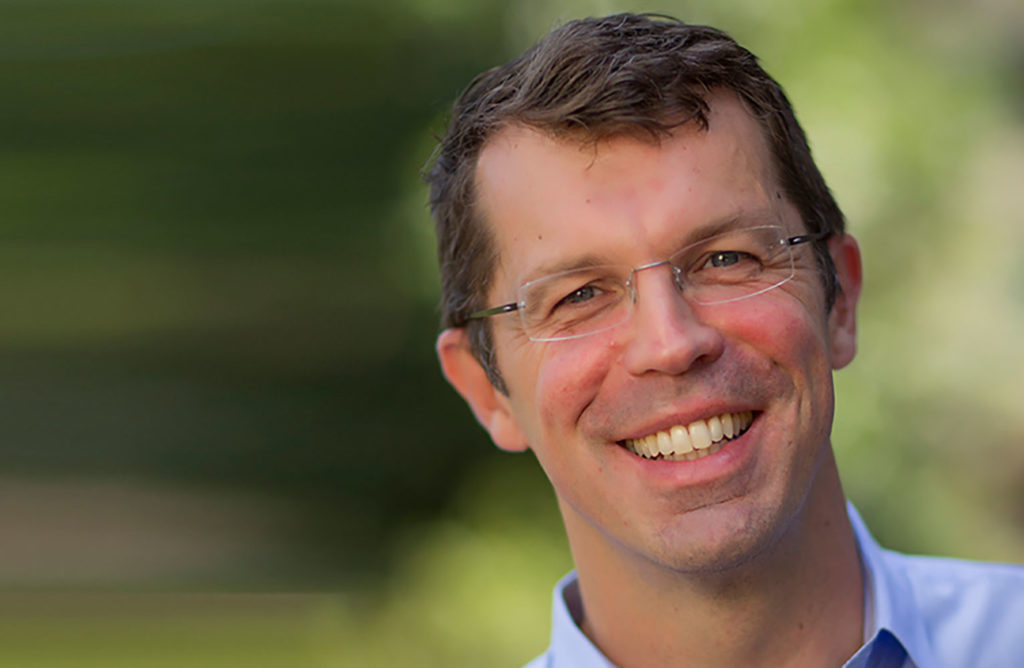
Noel Brewer named Distinguished Professor in Public Health at UNC Gillings School.
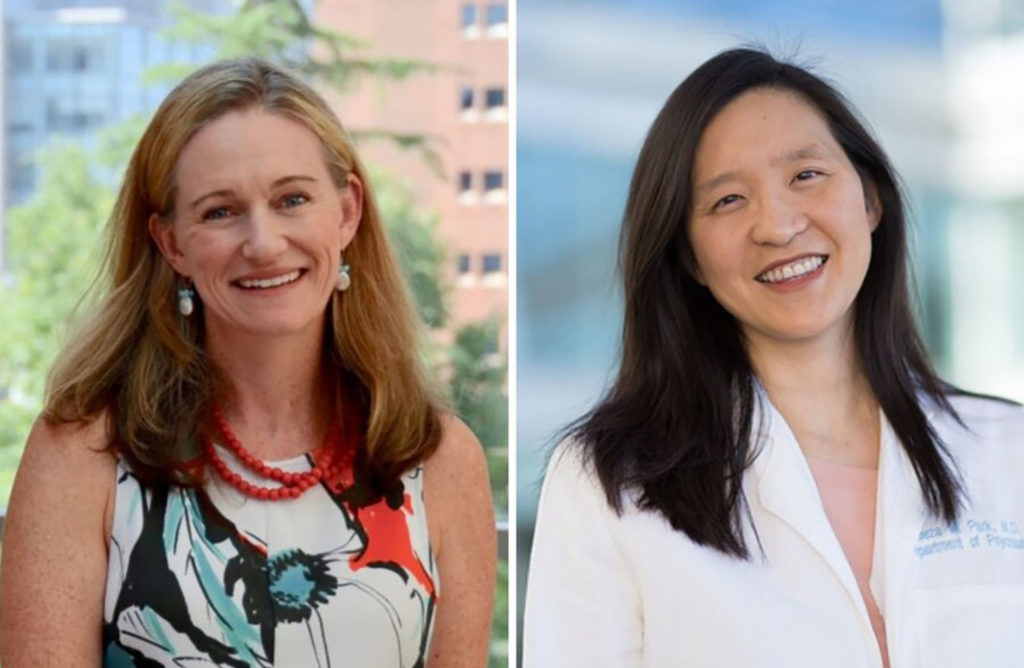
Aiding the family and friends who provide crucial support for patients with cancer.
Support continues for workforce development in maternal and child health.
Well-researched investment in renewable energy can improve global equity.
New universal coronavirus vaccine could prevent future pandemics.
The Humanitarian Health Initiative leverages Carolina's global health expertise in support of humanitarian efforts around the world.
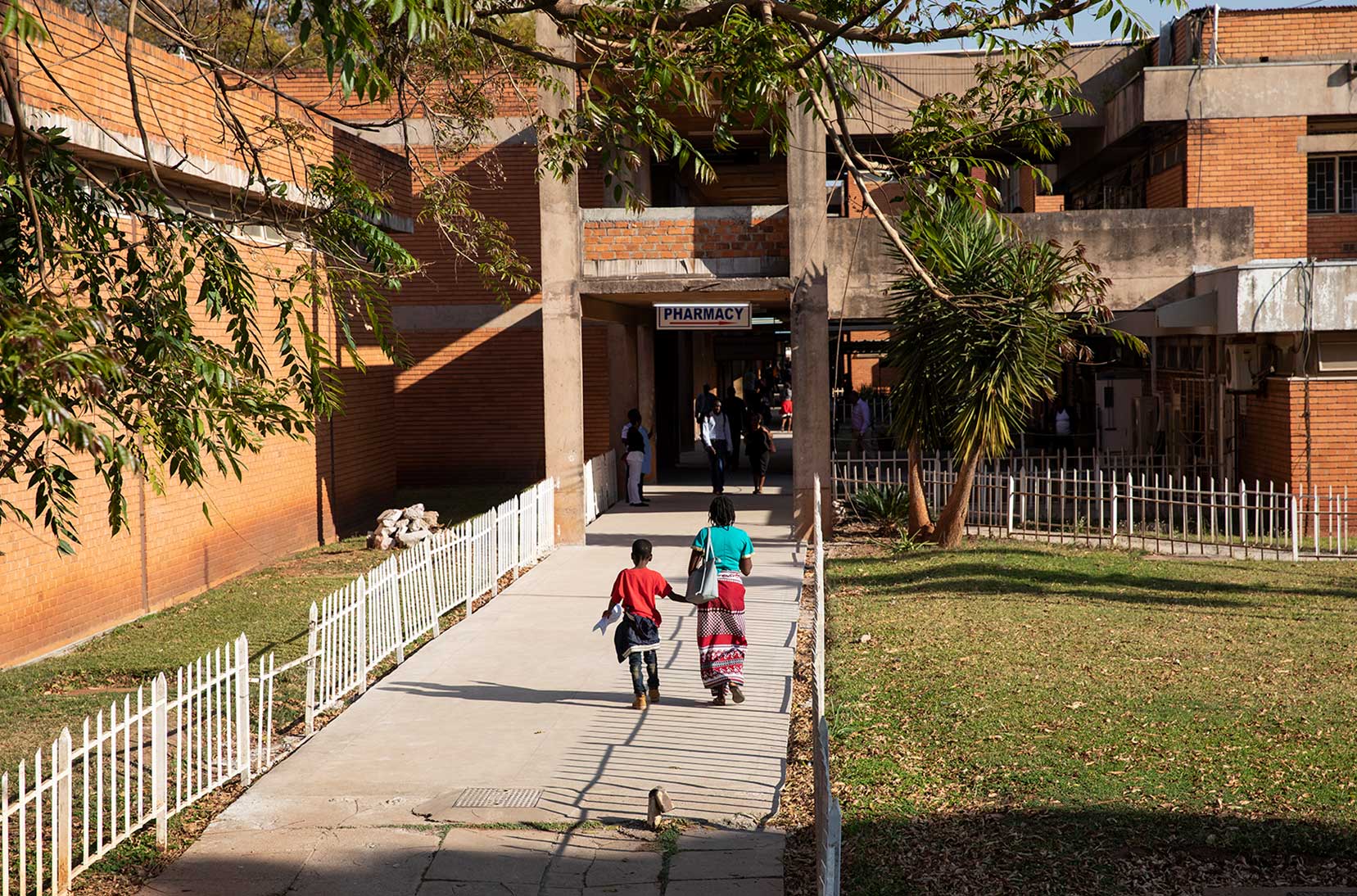
UNC-Chapel Hill and University of Zambia researchers are tackling global maternal and child health issues while providing quality services to women and children in Zambia.
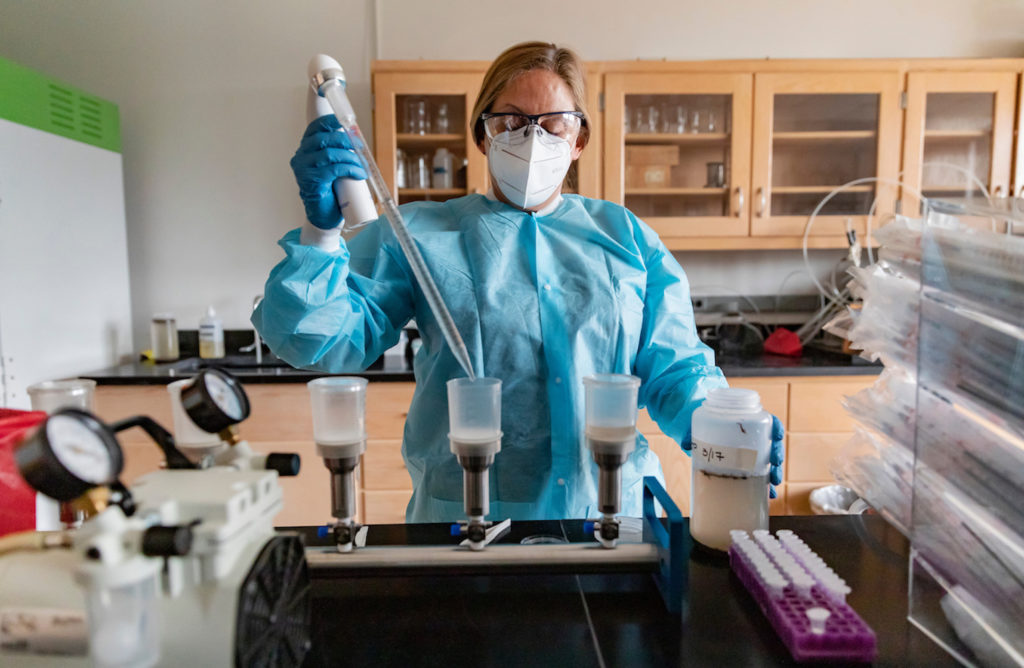
Federal funding is supporting vital research by Carolina scientists.

Investigating the link between gut infections and poor infrastructure in underserved rural communities in the U.S. South
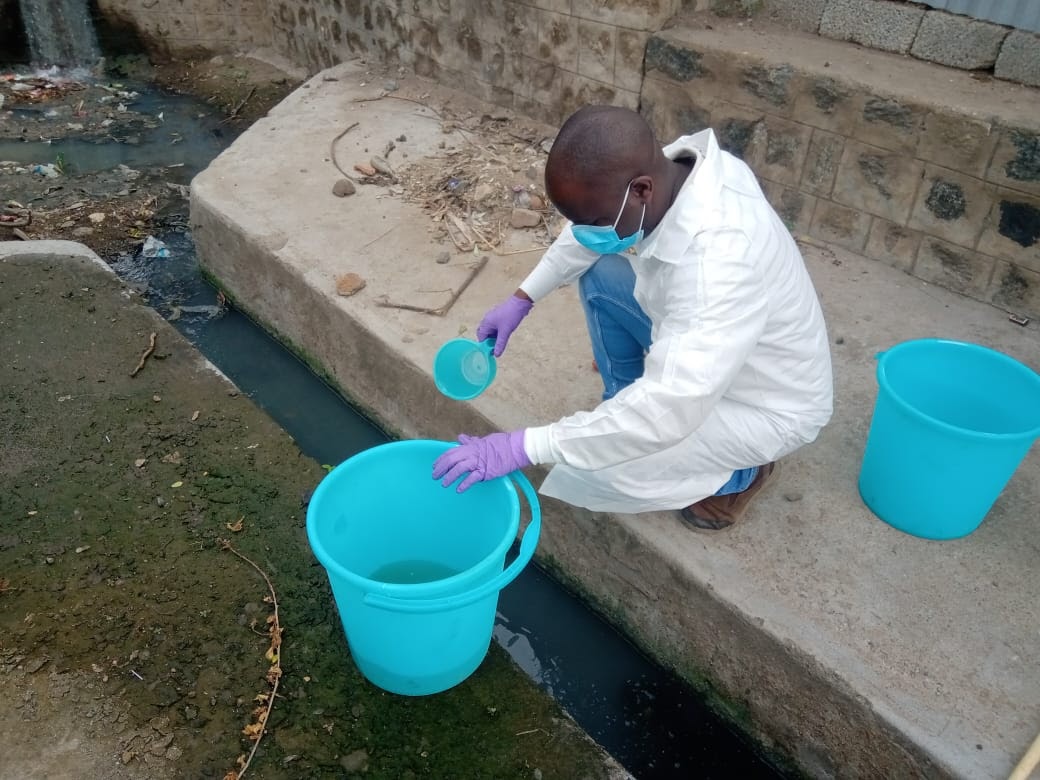
Early results from a UNC Water Institute study are upending much of what we thought we knew about safe sanitation practices.
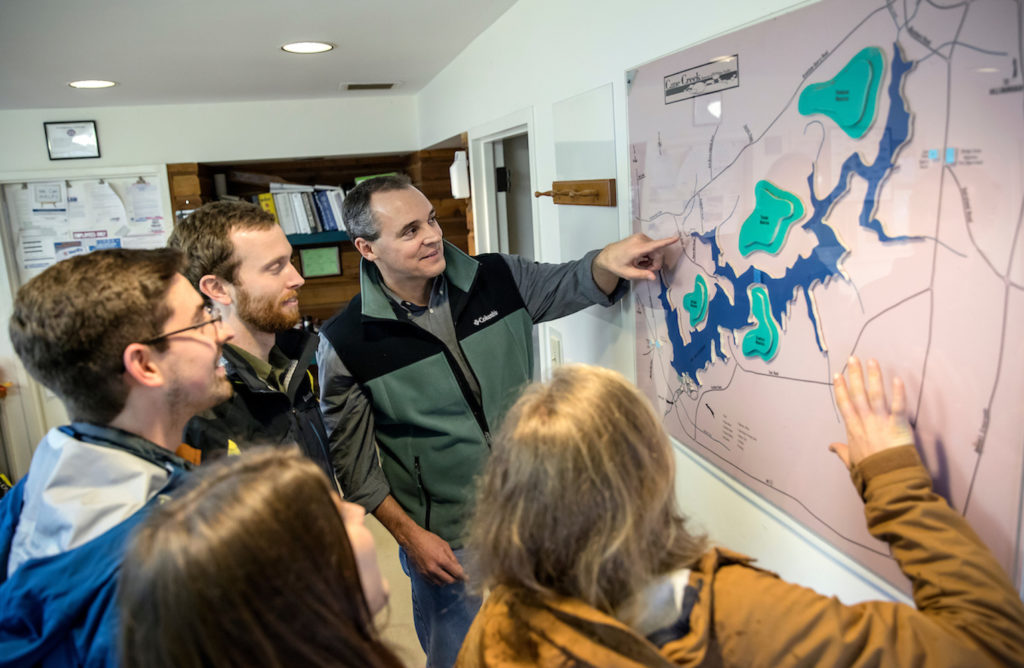
Researching the intersection of environment, economics and engineering

Morehead-Cain Scholar studying food and water security in the Galapagos
A Chancellor’s Science Scholar is researching the intersection between the environment and human health.
“Carolina is literally a lab-bench-to-bedside one-stop shop.”
Ensuring vulnerable populations are not overlooked.
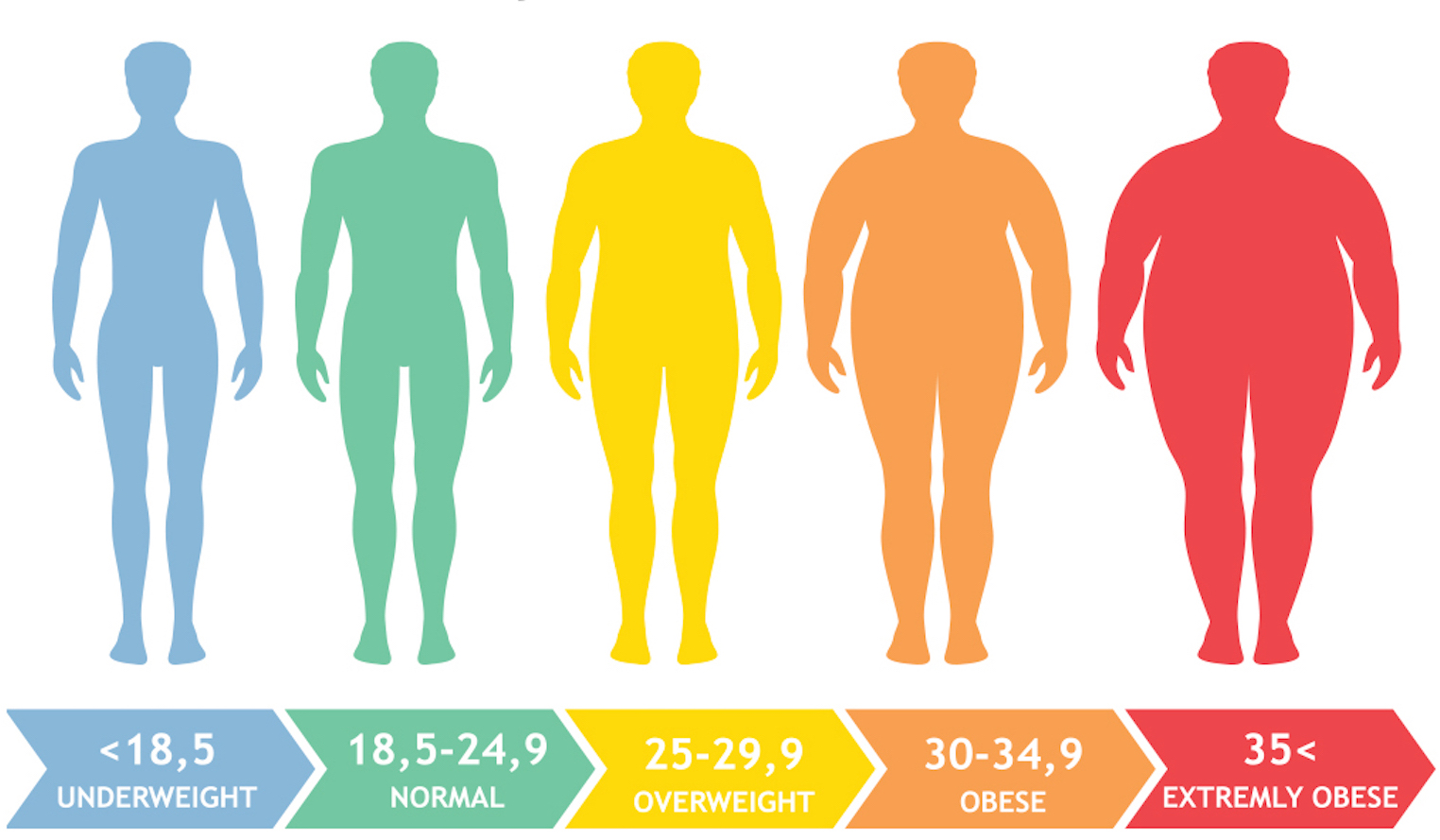
Obesity linked with higher risk for COVID-19 complications
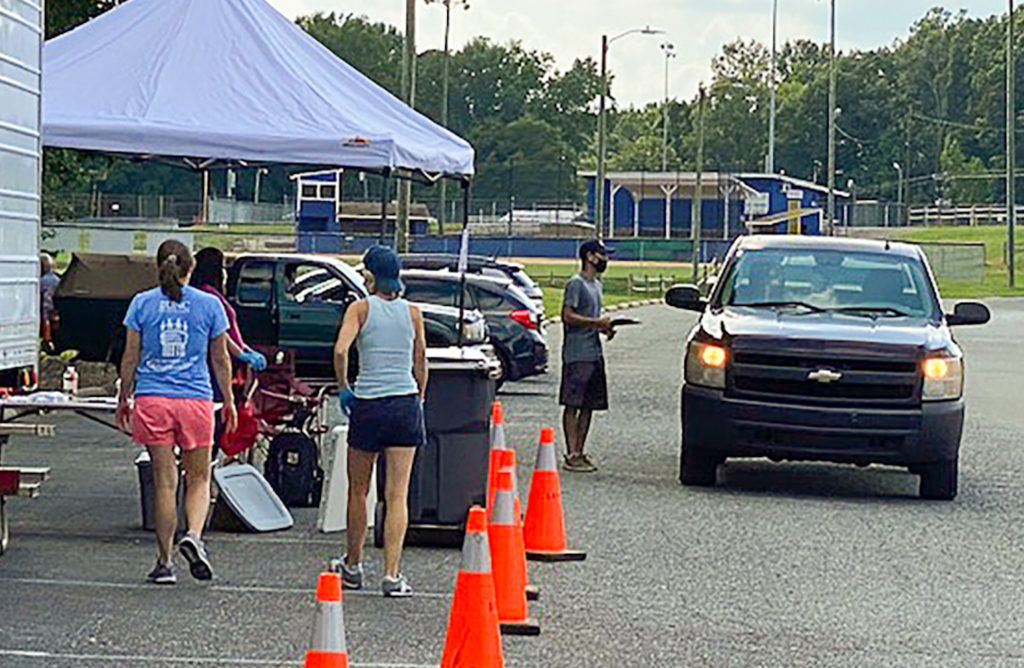
Connecting communities with access to local food during the COVID-19 pandemic

The first cohort of M.P.H. graduates from the program in Asheville
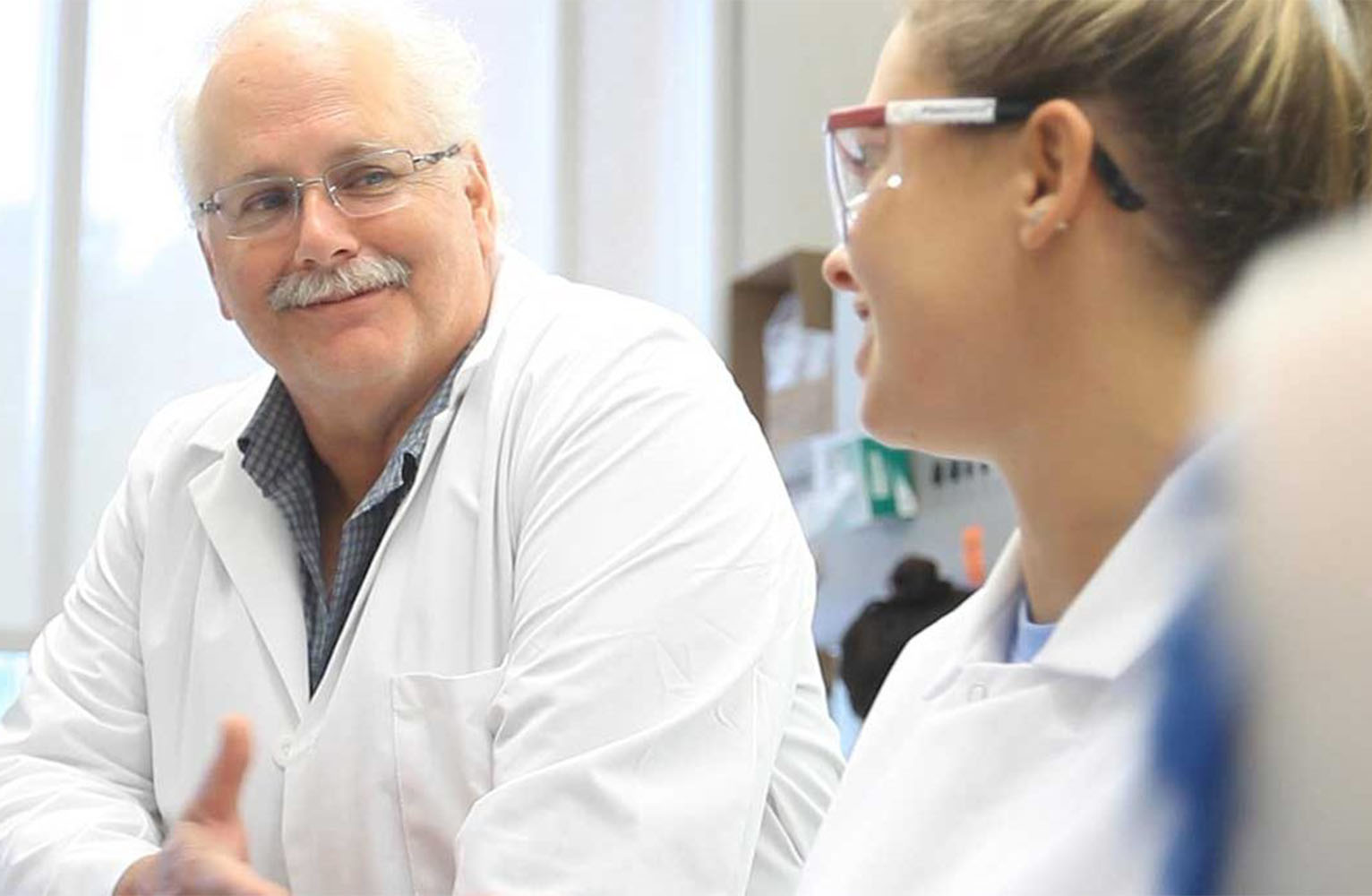
A game-changing grant in a global pandemic
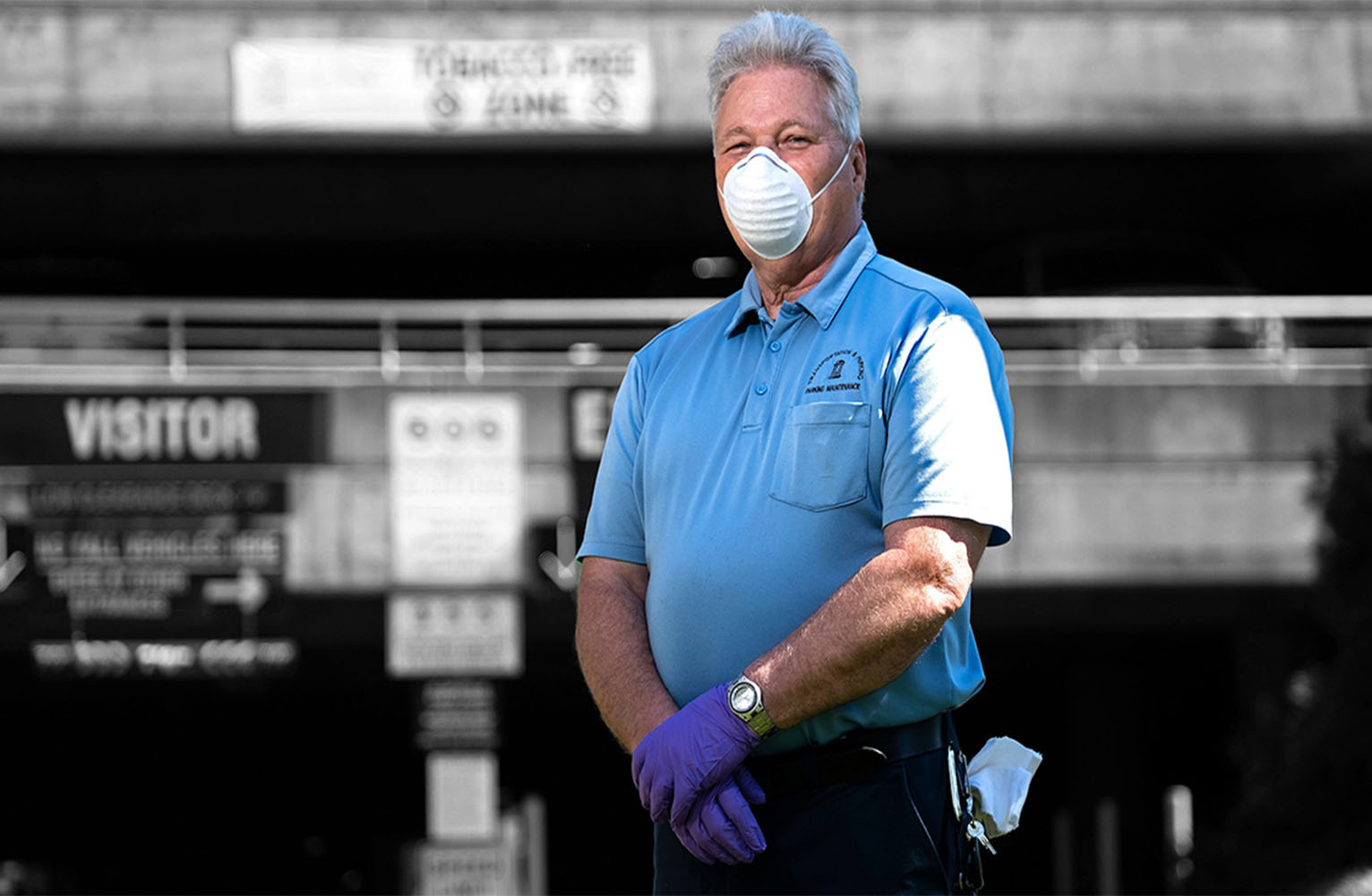
Limiting the transmission of COVID-19
“Game-Changer” treatment for patients with COVID-19
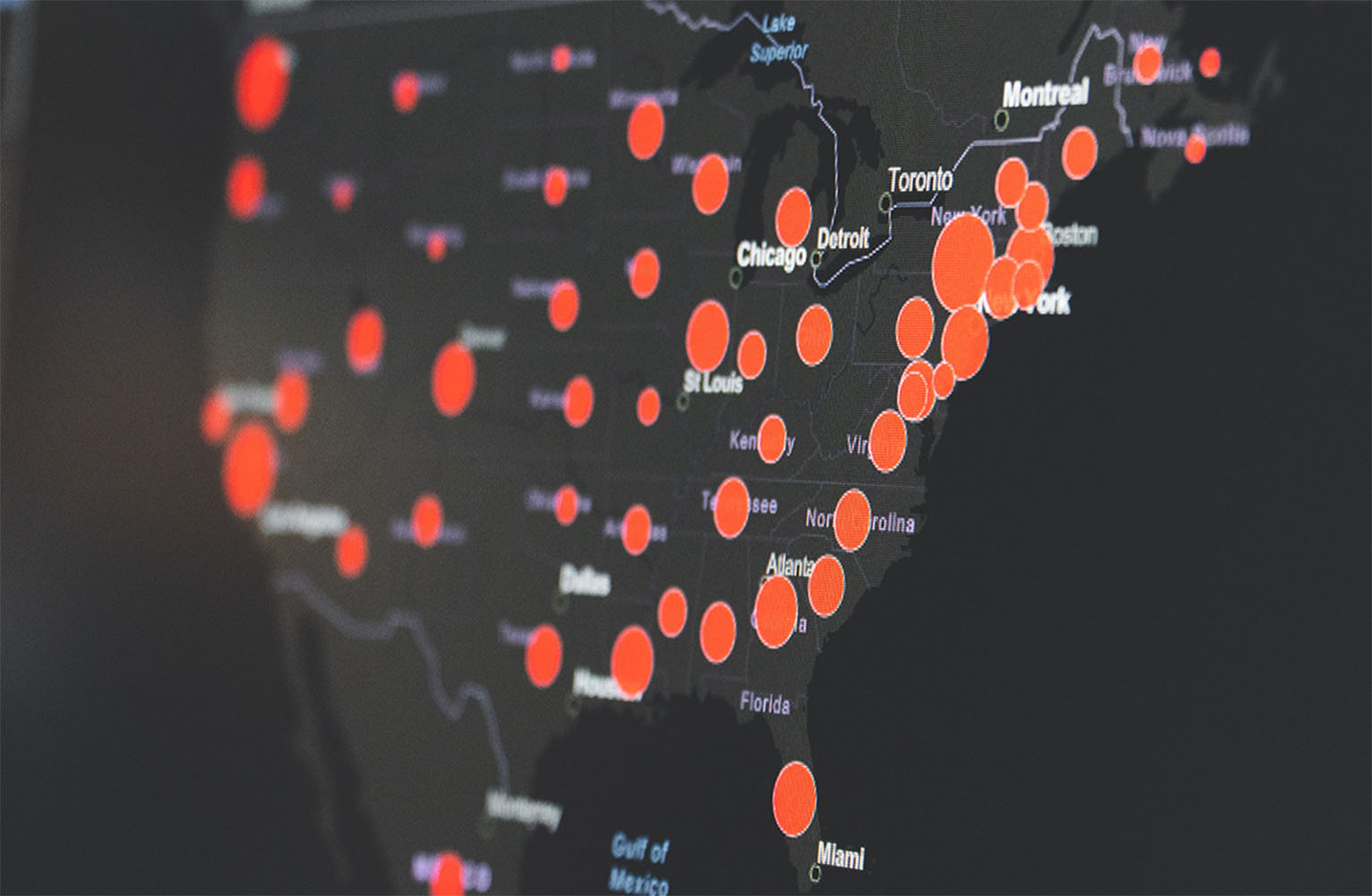
Partnering with state and local agencies to assess COVID-19 prevalence
Ralph Baric and his team are testing hundreds of existing compounds against COVID-19 for researchers and labs across the world, in search of the most effective therapeutics.
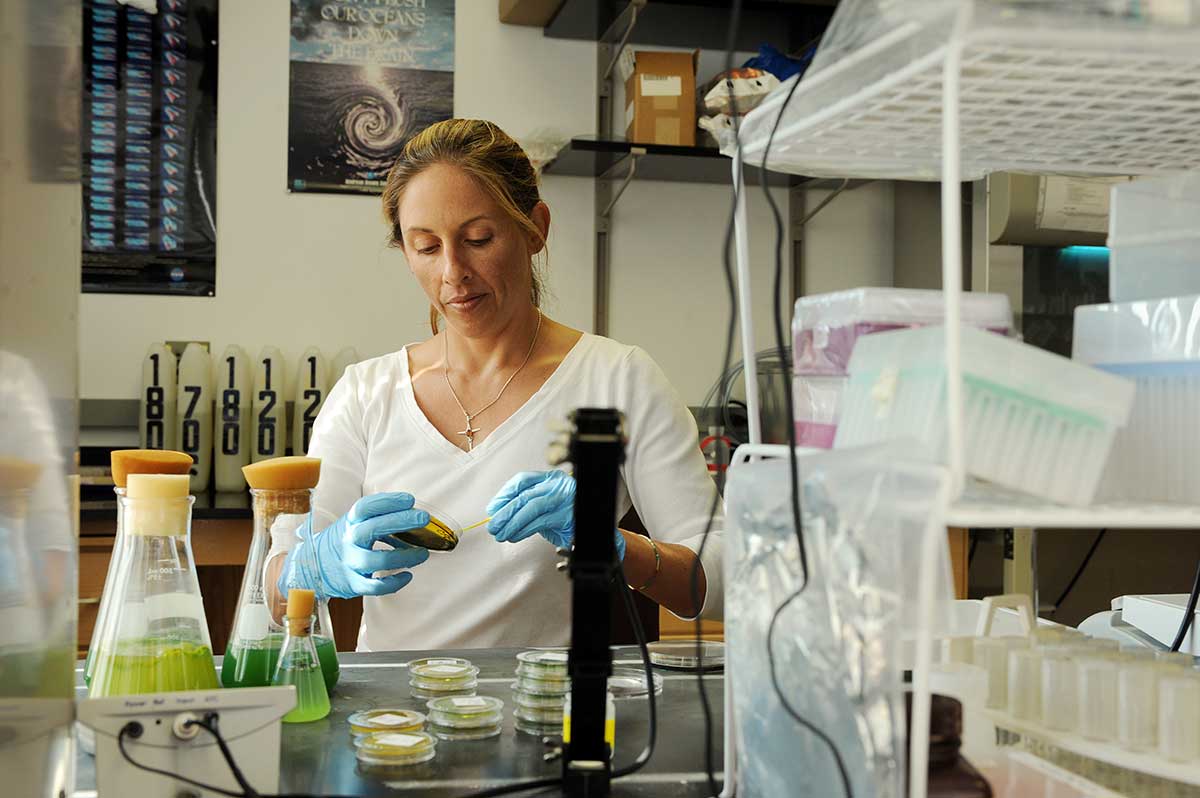
UNC-Chapel Hill researcher Rachel Noble is studying the transmissibility of COVID-19 through water and the environment.
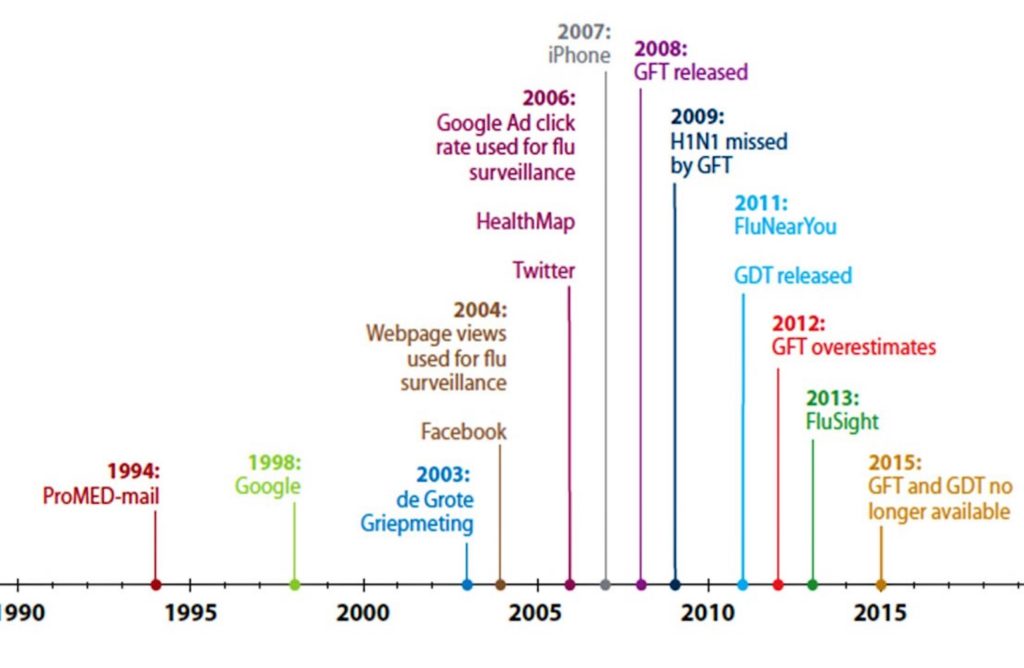
Can social media help track the spread of disease?

Will Vizuete captures aerosols from around the world and brings them back for testing in his lab to improve our understanding of how air pollution forms.
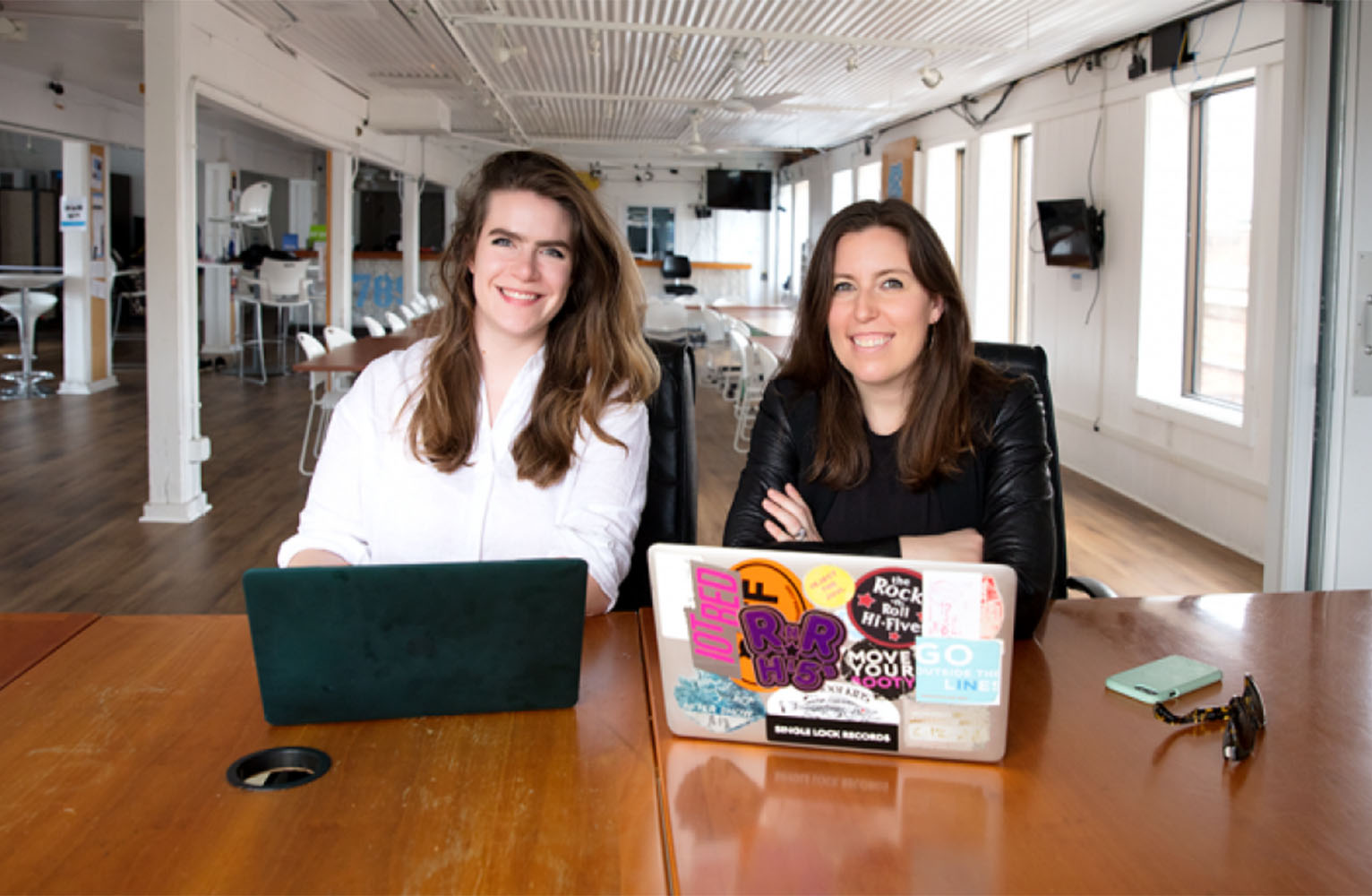
Finding a personal and professional balance

A drug with potential to treat COVID-19 symptoms is moving to human clinical trials.

Preventing the spread of Covid-19
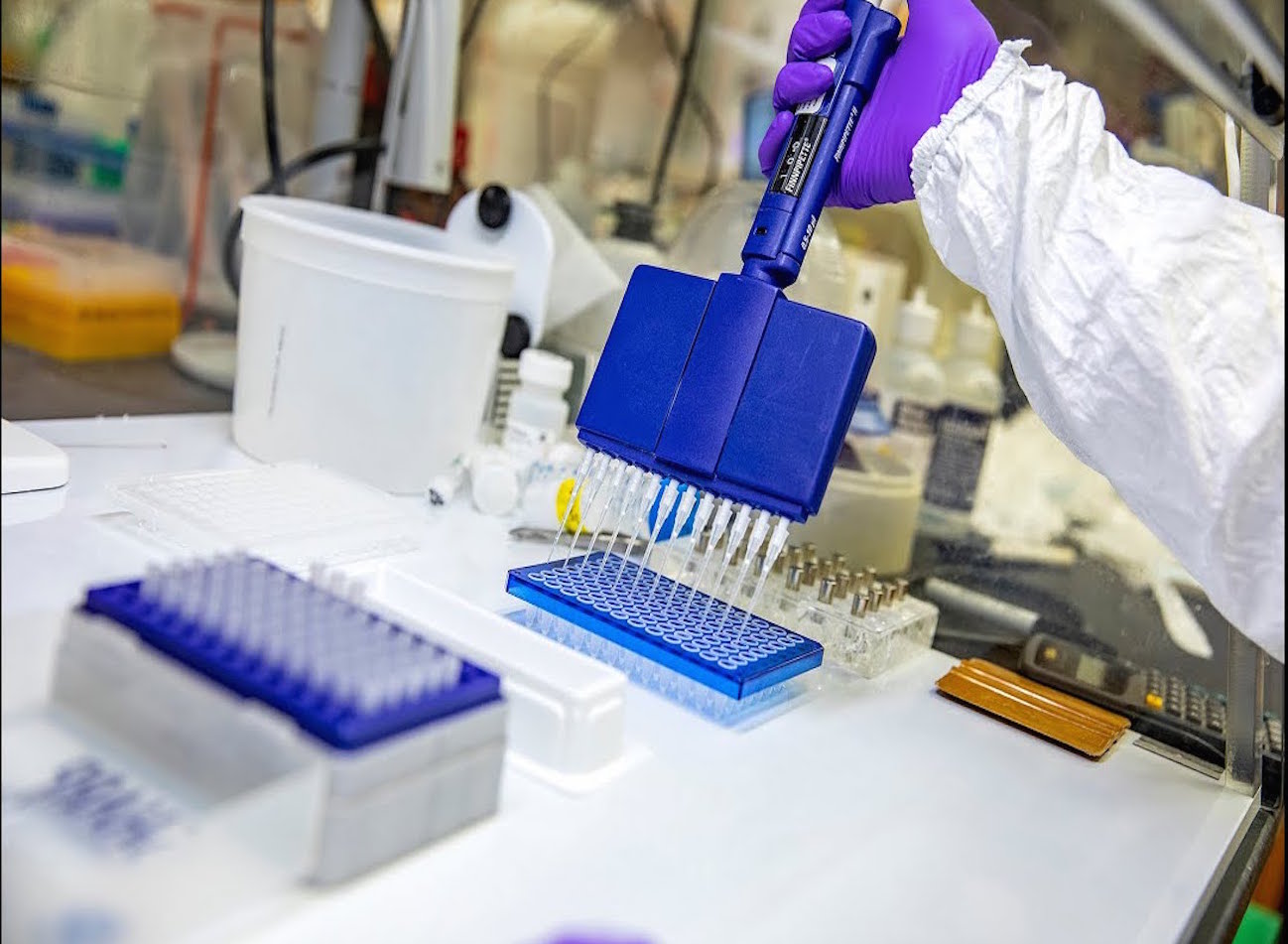
Potential relief to the coronavirus pandemic.

Encouraging innovation and team science
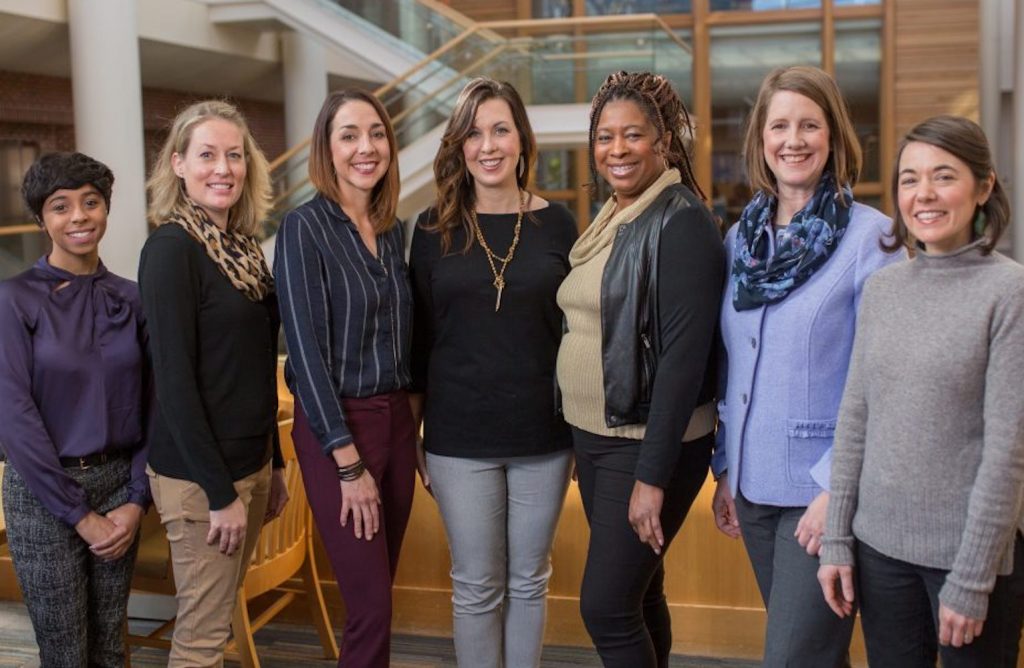
“This project has the potential to impact 178,000 births every year in the Carolinas.”
“UNC has a long history of producing world leaders in water.”

“In many parts of the world, the days surrounding childbirth are the riskiest period a mother and her newborn will ever face.”

Carolina researchers are working to reduce nationwide opioid overdose.

Carolina students are changing the world.
“We are training the next generation of public health leaders..."

The world is facing an unprecedented water crisis. Only half of households can access water at home.

“I am constantly thinking about how to develop HGSW into a sustainable and thriving organization.”
What if nanotechnology could be used to extract minerals from water so effectively that mining became obsolete?
Gary Koch, Ph.D., has made a profound impact on Carolina.
Public service never tasted so good...
Making “one bug, one drug” a thing of the past
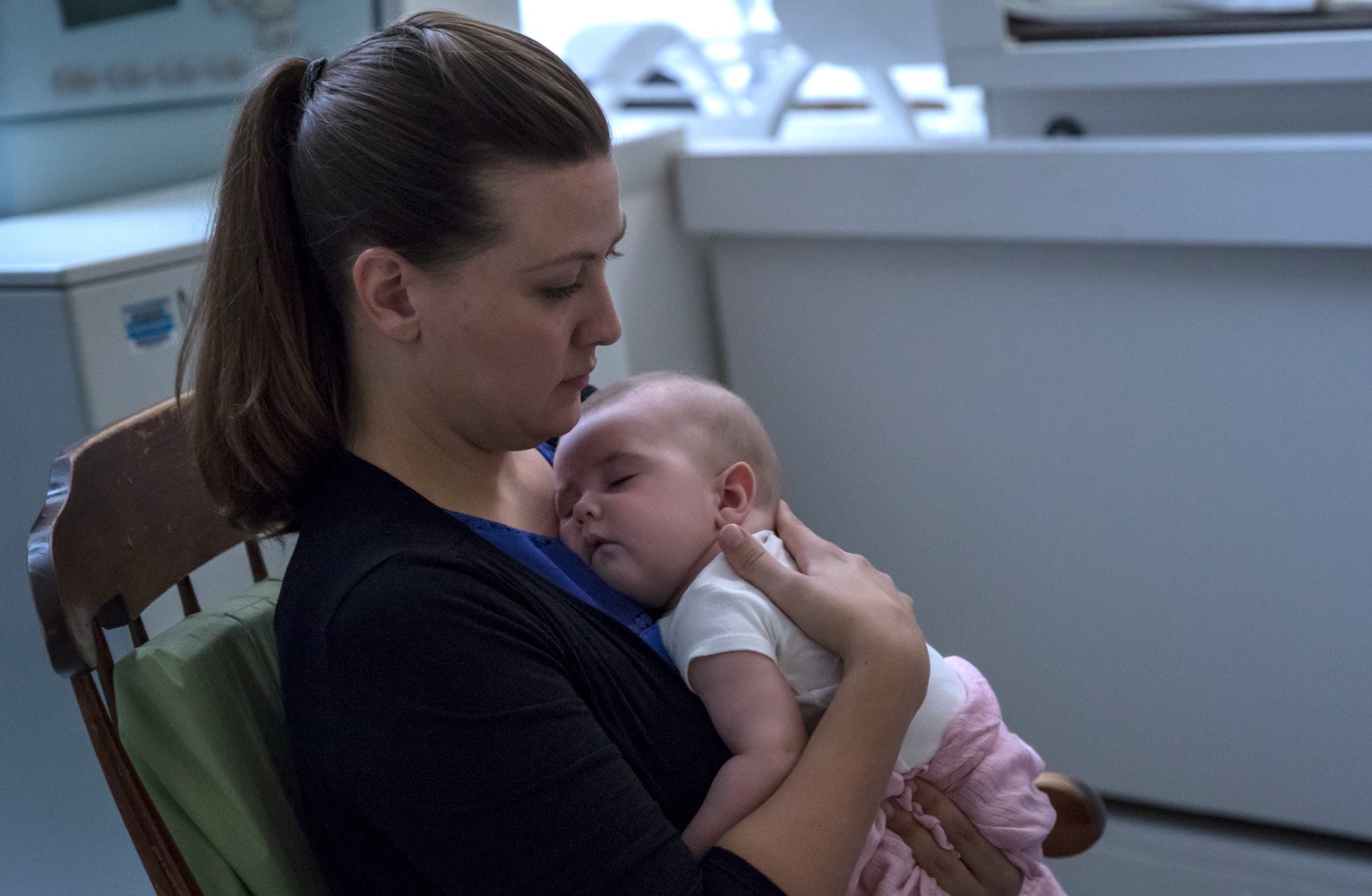
“We are excited to be making this medical device a reality.”
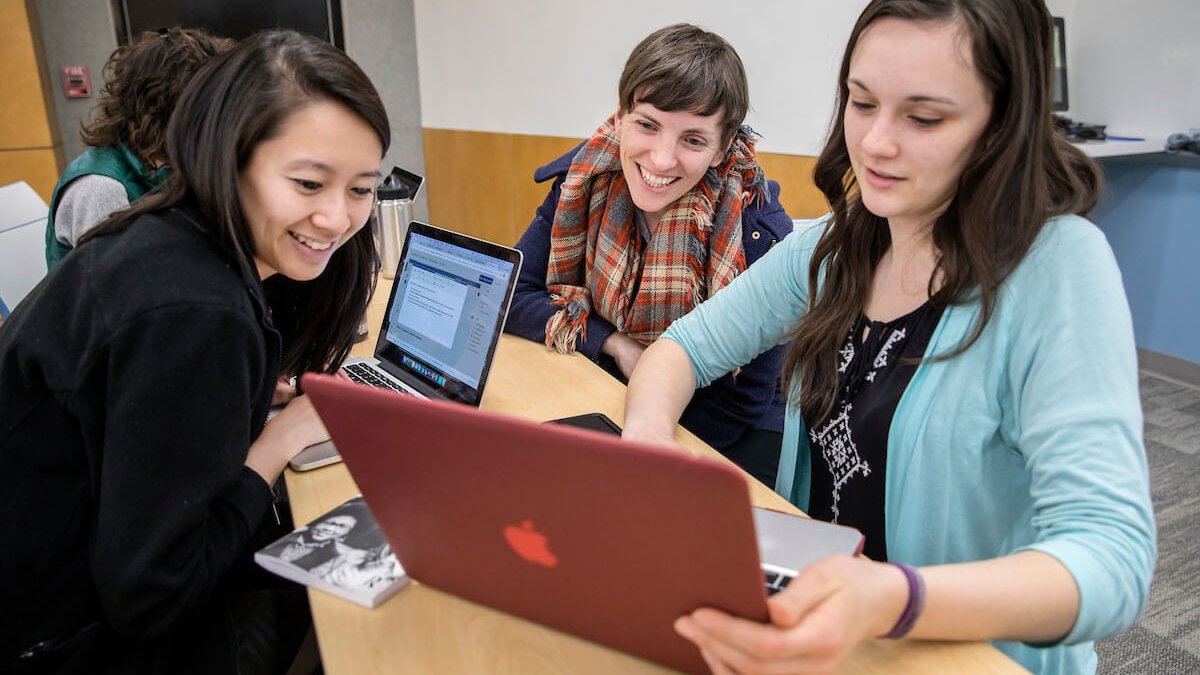
"We had no idea if the students would talk to us..."
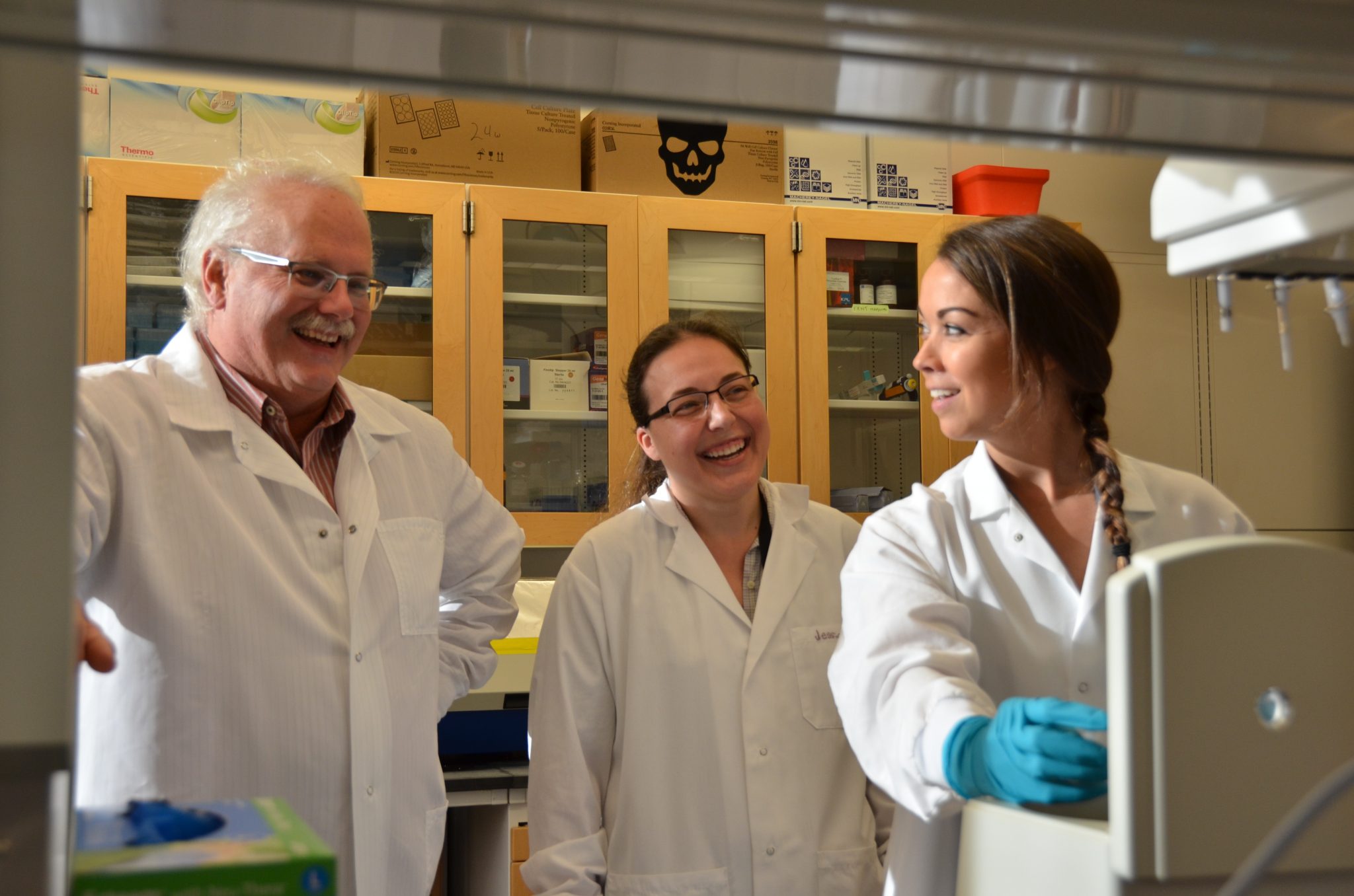
Globalization — including increased air travel, international trade, urbanization and environmental changes — open the world’s population to outbreaks of old communicable diseases and emerging new ones.

UNC WHO Collaborating Center is part of an international effort aimed at saving millions of lives within the next 15 years.
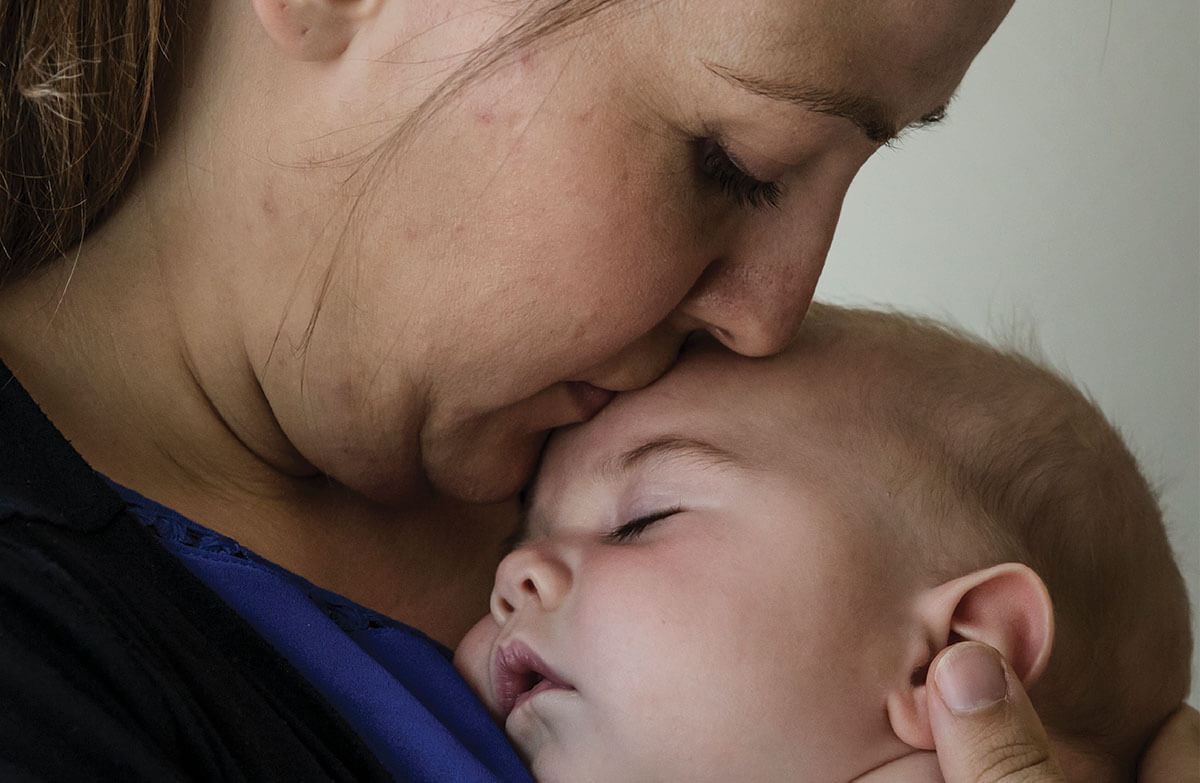
“This is a moment like no other."
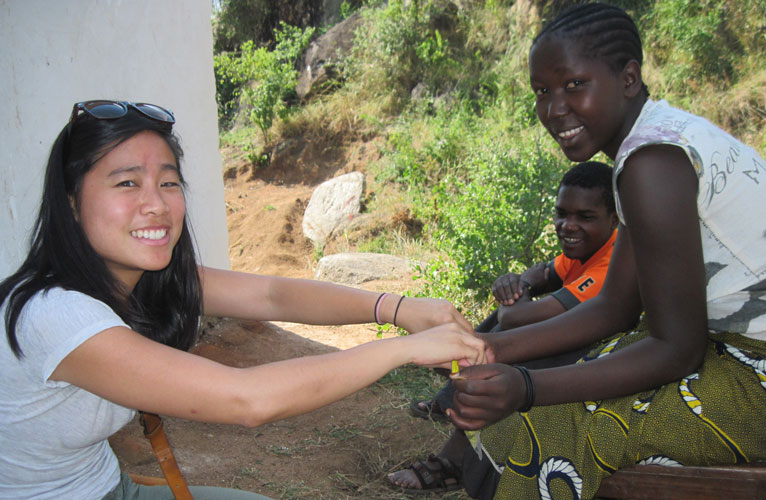
“Responding to public health crises in our own country is very important…”
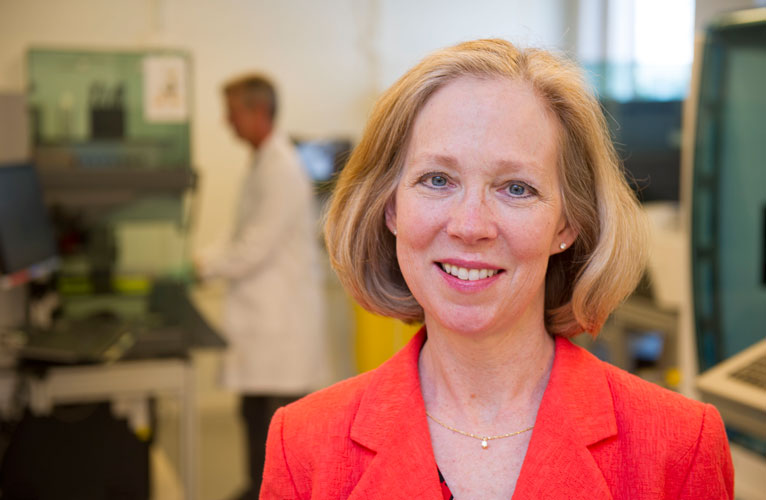
“Science has changed so much over time…”

“What if all children had an optimal chance to grow…
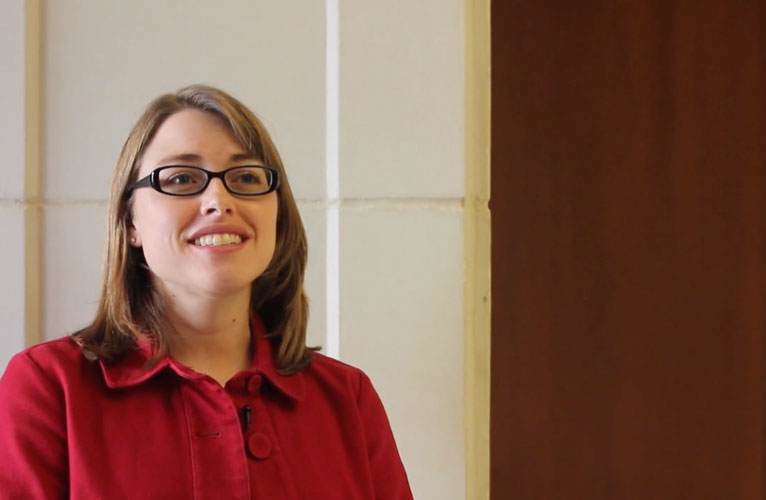
“My hope is that more students will work with older adults…

“Why not use this technology to track interactions and better understand how people get sick?...
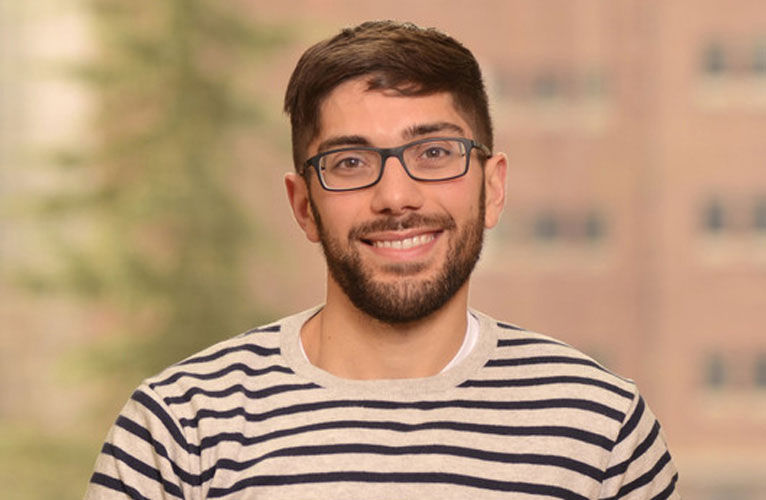
“[Pasquale’s] work will ultimately help find policy targets that could be used in policy-level efforts...
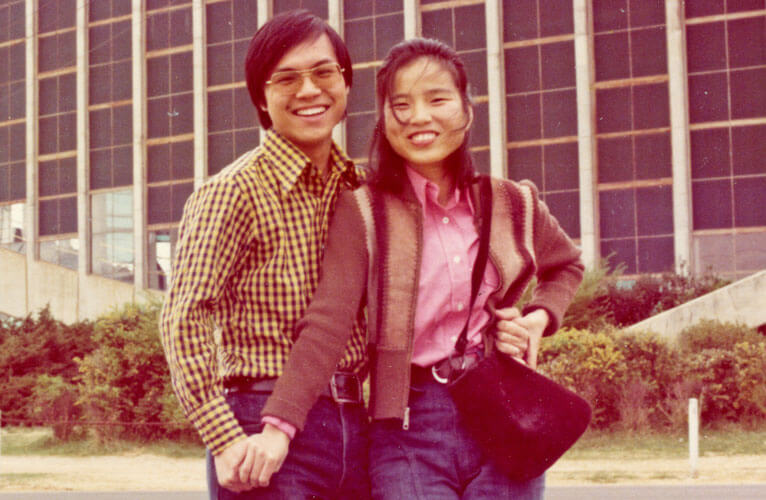
“I thought I knew English well until I was confronted with the Southern drawl!”
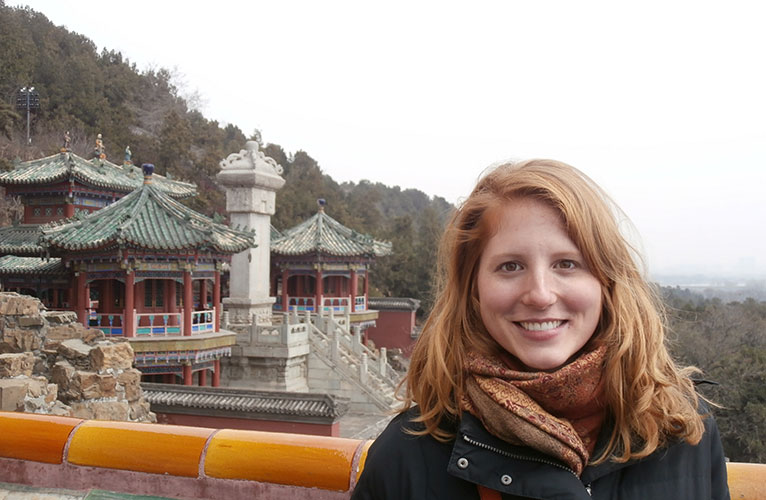
"Lindsay Jaacks conducted the first known study of diet and Type 1 diabetes in a developing country..."